
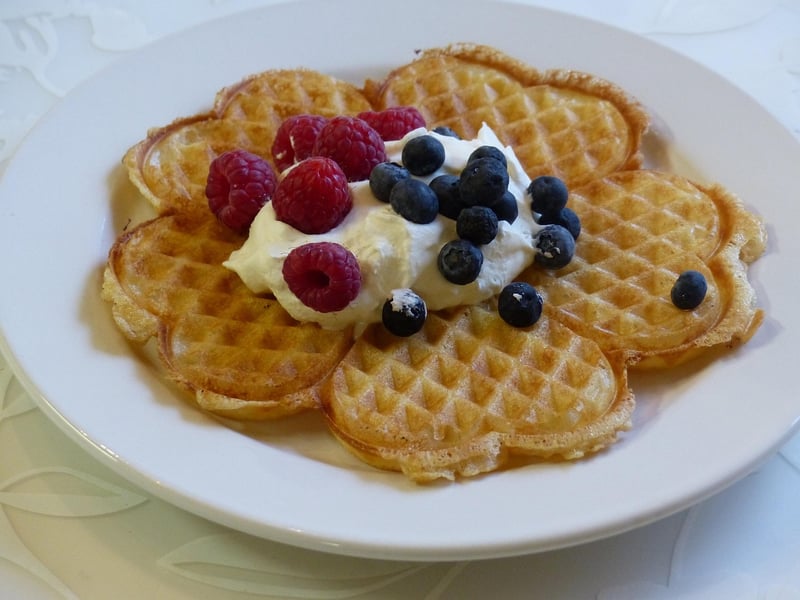
Food as a Form of Art: Plating as a Canvas
Food has long been appreciated not only for its taste but also for its visual appeal. Just like a painter uses a canvas to create a masterpiece, a chef utilizes plating as a canvas to present their culinary creations in an artistic and appealing manner.
The Art of Plating
Plating is not just about putting food on a plate; it is a deliberate and thoughtful process that involves arranging and decorating food to enhance its presentation. Chefs pay attention to color, texture, balance, and proportion when plating a dish to create visually stunning arrangements that are almost too beautiful to eat.
Elements of Plating
There are several key elements that chefs consider when plating a dish:
- Color: A colorful dish is visually appealing and can stimulate the appetite.
- Texture: Contrasting textures, such as crunchy and creamy, add interest to a dish.
- Height: Building height with components adds dimension to the presentation.
- Negative Space: Leaving empty space on the plate can enhance the visual impact of the dish.
- Garnishes: Thoughtfully placed garnishes can elevate the overall look of the dish.
Plating Techniques
Chefs use a variety of techniques to plate their dishes creatively:
- Stacking: Layering components vertically to create height.
- Swirling: Using a spoon to create elegant swirls with sauces.
- Microgreens: Adding tiny edible greens for color and freshness.
- Quenelles: Shaping soft foods into elegant oval shapes.
Conclusion
Food is indeed a form of art, and plating serves as the canvas on which chefs express their creativity and passion for cooking. The next time you dine out or prepare a meal at home, take a moment to appreciate not only the flavors but also the visual masterpiece that is presented before you.

Explore the world of culinary art and elevate your dining experience through the beauty of plating!
References: Food & Wine - The Art of Plate Presentation