
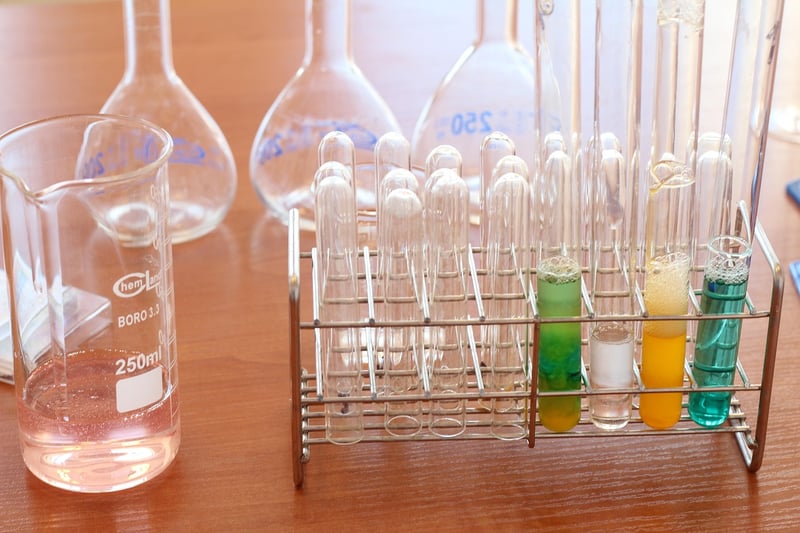
The Science Behind the Dishes: Exploring Chemical Reactions in Cooking
Have you ever wondered why food tastes the way it does or why certain cooking techniques result in mouth-watering dishes? The answer lies in the fascinating world of chemical reactions that take place during cooking. Let's delve into the science behind the dishes and uncover the magic that happens in your kitchen.
Maillard Reaction: The Secret to Flavorful Delights
One of the most well-known chemical reactions in cooking is the Maillard reaction. This reaction occurs when proteins and sugars in food are exposed to heat, resulting in a complex series of chemical reactions that produce a range of flavorful compounds. From the golden crust on bread to the sear on a steak, the Maillard reaction is responsible for creating the delicious aromas and flavors we love.

Emulsification: The Science of Creamy Sauces and Dressings
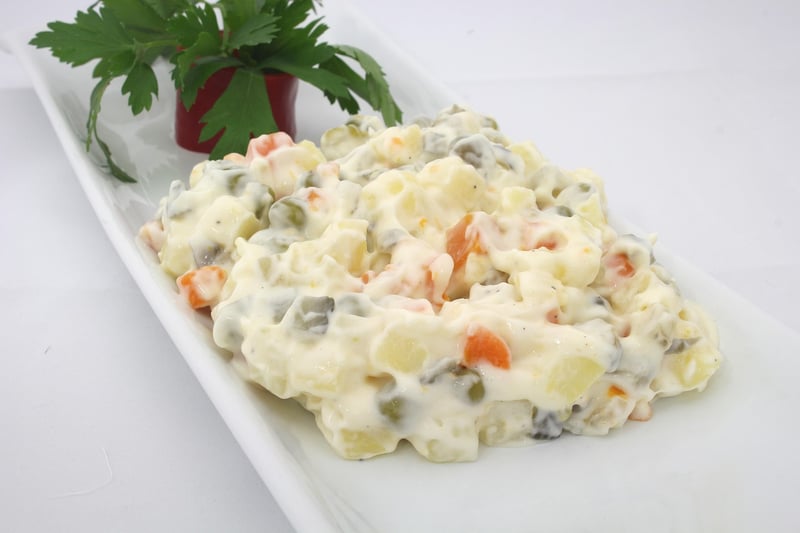
Emulsification is another essential process in cooking that involves combining two immiscible liquids, such as oil and water, to create a stable mixture. This process is crucial for making creamy sauces, dressings, and mayonnaise. By breaking down fat molecules into tiny droplets and dispersing them evenly in water, emulsifiers help create smooth and velvety textures in various dishes.
Leavening: The Key to Light and Airy Baked Goods
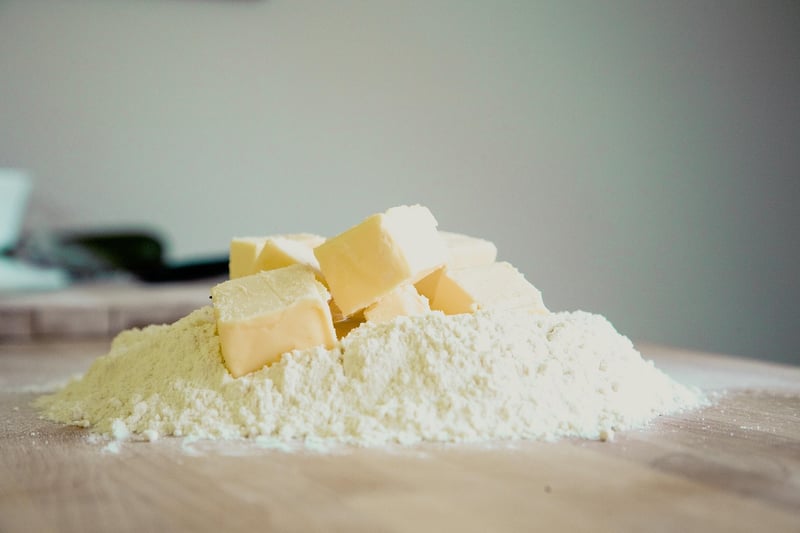
Leavening agents, such as yeast, baking powder, and baking soda, play a vital role in baking by causing dough to rise and creating light and airy textures in baked goods. These agents release carbon dioxide gas when exposed to heat or moisture, which gets trapped in the dough, leading to its expansion. The result is fluffy bread, cakes, and pastries that are a delight to eat.
Caramelization: Transforming Sugar into Golden Goodness
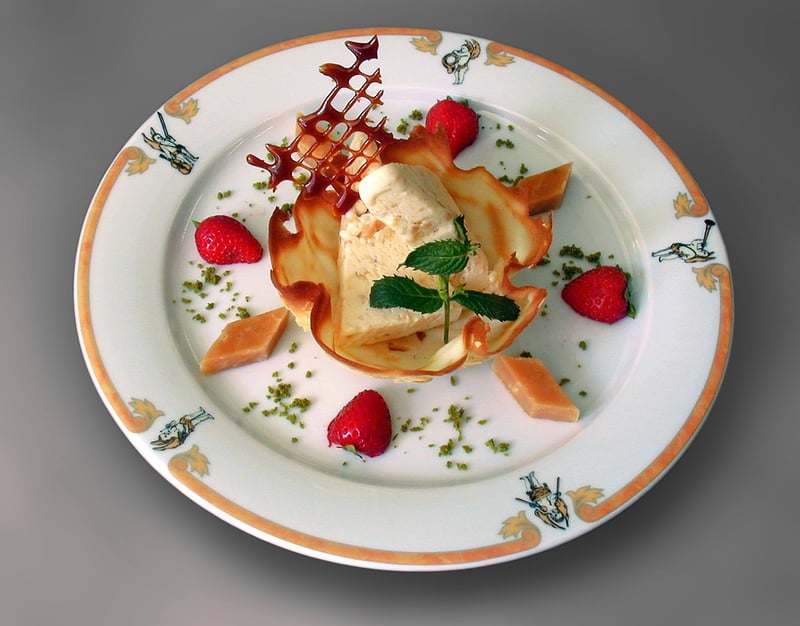
When sugar is heated, it undergoes caramelization—a process that breaks down sugar molecules into various compounds that give dishes a rich flavor and golden color. From caramelized onions to crispy brûlée toppings, this chemical reaction adds depth and complexity to both savory and sweet dishes, enhancing their taste and visual appeal.
Next time you step into the kitchen, remember that behind every delicious dish is a series of intricate chemical reactions at work. By understanding the science behind cooking, you can elevate your culinary skills and create culinary masterpieces that not only taste amazing but also showcase the artistry of chemistry in the kitchen.